
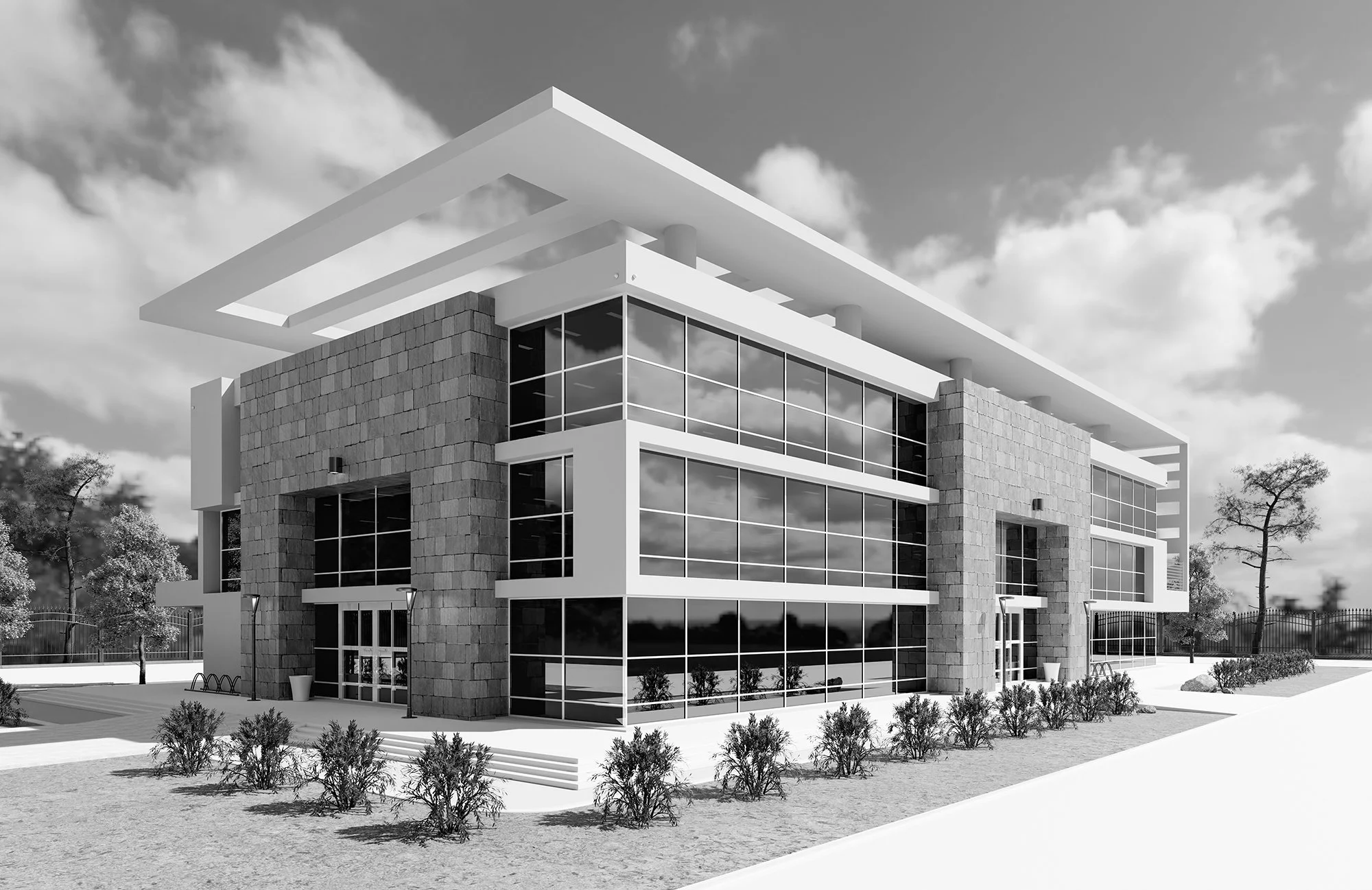
Protecting Your Property, Preserving Your Investments
Smart, flexible insurance for office buildings, retail centers, industrial properties, apartment complexes, and real estate brokerages.
Why Property Owners Choose Statement Insurance
We specialize in real estate — not just generic business policies
We can write vacant, transitional, or non-standard buildings
We work with top carriers and specialty markets
We’re local, fast, and responsive
We make renewals, certificates, and claims easy to manage
-
![Logo of Marmot Properties featuring a stylized marmot animal inside a circle and the company name below.]()
"Working with Statement Insurance Agency has been seamless and stress-free. Their team is knowledgeable, responsive, and truly cares about delivering great service."
—Batuhan Zadeh
CEO, Marmot Properties -
![TriEx Management logo with a 3D blue triangle graphic and black text]()
Working with Mark and his team has been refreshing! I have a significant number of policies and always felt like I spent my entire year dealing with insurance as there was always something needed for an audit or a renewal. The team at Statement insurance have taken on most of this work and keep me up to date."
-Dan Lorenz
President
TriEx Management -
![SVG logo for SVN The Equity Group with a graphic of a bar chart enclosed in a partial circle.]()
“Statement Insurance has been our trusted partner for years. As a commercial real estate brokerage, we rely on insurance that’s dependable and easy to manage. Their team is responsive, knowledgeable, and truly invested in protecting our business.”
-Scott Godino
CEO, SVN The Equity Group



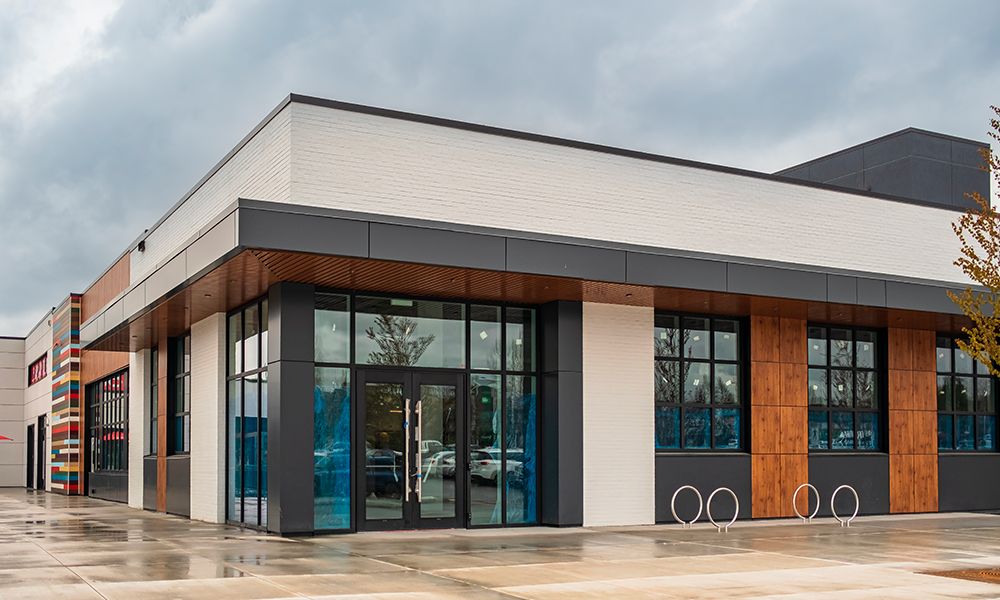
At Statement Insurance, we help commercial property owners and real estate professionals
manage risk, control costs, and protect their investments—without getting bogged down in complexity.
Whether you own a portfolio of occupied buildings or a single vacant property, we tailor coverage that meets lender requirements, satisfies tenants, and works in the real world—not just on paper.
Based in Reno, Nevada—serving businesses across the western U.S.
Commercial Real Estate Coverage
-
We provide commercial property insurance solutions for:
Office Buildings – Multi-tenant, single-tenant, Class A/B/C
Retail Properties – Strip malls, shopping centers, standalone retail
Industrial & Warehouse – Distribution centers, flex space, light manufacturing
Apartments & Multifamily – Garden-style, walk-ups, mid-rise, mixed-use
Vacant Buildings – Transitioning, under renovation, or awaiting tenants
Challenging Tenant Profiles – Cannabis, restaurants, tattoo parlors, gyms, etc.
Commercial Real Estate Brokerages – E&O + general business insurance
-
Building Insurance – Covers physical structure from fire, wind, vandalism, etc.
Loss of Rents (Business Income) – Protects revenue from tenant defaults or covered property damage
Ordinance & Law Coverage – Covers code upgrades after a loss
Equipment Breakdown – HVAC, elevators, boilers
Vacancy Coverage Options – Specialized policies for vacant or partially occupied buildings
-
General Liability – Premises liability, tenant injuries, slip & falls
Umbrella Liability – Higher limits for complex property portfolios
Cyber Liability – For brokerages managing client data or online platforms
Employment Practices Liability (EPLI) – For brokerages with staff or contractors
Professional Liability (E&O) – Tailored coverage for commercial real estate firms and brokerages
Pollution Liability - Fuel tanks, waste facilities, processing plants, etc. Be protected from pollution risks.
-
Tenant Discrimination Liability
Builders Risk – For rehab or construction projects
Flood & Earthquake Options – Available depending on geography
-
Lease Guarantee Bonds
Performance & Payment Bonds
Offsite Bonds
Right of Way Bonds
Risk Management Resources
-
Property Maintenance Checklists
-
Tenant Screening & Risk Guides
-
Vacancy Safety Plans
-
Property Inspection Report Templates
-
Food Truck Safety Inspection Forms
FAQs
What is commercial real estate insurance, and who needs it?
Commercial real estate insurance, often called commercial property insurance, is coverage that helps protect income producing properties such as office buildings, retail centers, industrial warehouses, and multifamily apartment buildings. It is important for property owners, real estate investors, landlords, and property managers, and it can also protect tenants when a lease requires them to insure their improvements, inventory, and equipment.
Is commercial property insurance required by law?
In most states, commercial property insurance is not directly required by law. However, lenders, landlords, and investors almost always require proof of commercial property insurance in loan documents and commercial leases, so in practice it becomes a requirement for many businesses.
How much does commercial real estate insurance cost?
There is no one-size-fits-all price for commercial real estate insurance. Premiums are based on the specific risk profile of each property and the coverage options you choose.
Key factors that influence cost include:
Building value, construction, and age – Higher-value or older buildings, and those with riskier construction types, usually cost more to insure.
Location – Exposure to crime, wildfire, wind, hail, or distance from fire services can increase pricing.
Occupancy and tenants – What your tenants do (office vs. restaurant vs. manufacturing) and how much traffic they generate has a big impact on rates.
Coverage limits, deductibles, and add-ons – Higher limits, lower deductibles, and extra coverages (like business income or equipment breakdown) raise the premium.
Loss history and risk management – A clean claims history, updated systems, sprinklers, and monitored alarms can help control costs.
Because of these variables, the best way to understand your cost is to get a customized quote based on your building, tenants, and coverage goals.
Do I need separate earthquake or flood insurance for my commercial property?
Standard commercial property insurance usually does not cover flood or earthquake damage. Flood and earth movement losses are commonly excluded, which means you often need separate flood and earthquake policies or endorsements if you want protection from those events. Property owners in flood zones or earthquake prone regions should strongly consider adding these coverages so the building, contents, and rental income are better protected from major catastrophe losses.
What is the difference between replacement cost and actual cash value coverage for a building?
Replacement cost coverage pays to repair or rebuild your building with materials of like kind and quality, without deducting for depreciation, up to the policy limit. Actual cash value coverage pays the depreciated value of the property, which is replacement cost minus age and wear, and that usually leads to a smaller claim payment and more out of pocket cost for the owner. For most commercial real estate investors, replacement cost is preferred because it is designed to come closer to the real cost of rebuilding after a covered loss.